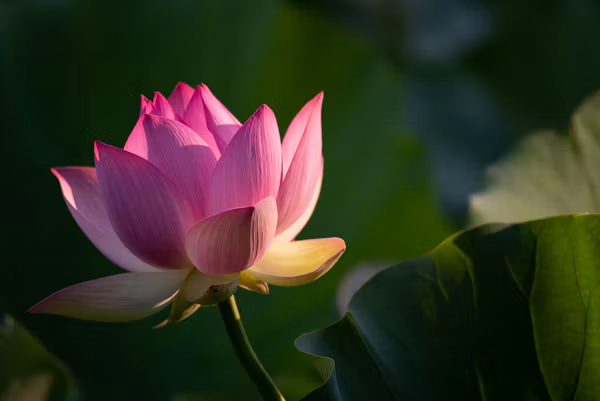
The lotus (Nelumbo nucifera) is an aquatic perennial plant in the family Nelumbonaceae. Revered across Asian civilisations for thousands of years, the lotus is globally iconic for rising pristine and immaculate out of muddy waters, serving as a universal symbol of spiritual purity, rebirth, resilience, and sacred beauty.
1. History and Cultural Significance
Ancient Asian and Egyptian Roots: Native to tropical and warm-temperate regions of Asia and northern Australia, the lotus has been cultivated for over 3,000 years. In ancient Egypt, while the "blue lotus" was actually a water lily (Nymphaea caerulea), true lotus species (Nelumbo) were later introduced and integrated into spiritual symbolism.
Spiritual Emblem in Hinduism & Buddhism:
Hinduism: The lotus (Padma) is associated with divine creation, beauty, and prosperity. It serves as the seat of deities such as Lord Brahma, Vishnu, and Goddess Lakshmi.
Buddhism: The plant represents spiritual awakening and enlightenment. Just as the blossom emerges clean from murky depths, human consciousness can transcend worldly suffering to achieve enlightenment.
National Symbolism: Nelumbo nucifera is the national flower of India and Vietnam. In East and South Asia—including Bangladesh and China—lotus roots, seeds, and leaves have deep culinary, medicinal, and artistic traditions.
2. Botanical Anatomy & Unique Adaptations
Self-Cleaning Superhydrophobicity (The Lotus Effect): Lotus leaves possess a unique surface microstructure covered in microscopic wax crystals. This causes water droplets to roll off seamlessly, carrying away dirt particles and pathogens—a biological phenomenon engineered into modern water-repellent materials.
Thermoregulation Ability: Lotus flowers exhibit an extraordinary ability to regulate their own temperature during blooming, maintaining a steady internal heat around 30–35°C (86–95°F) even when ambient air temperatures fluctuate. This warmth stabilizes volatile aromas to attract cold-blooded insect pollinators like beetles.
Extreme Seed Longevity: Lotus seeds feature exceptionally thick, impermeable seed coats. Viable seeds harvested from ancient lake beds in China have successfully germinated after being dormant for over 1,300 years.
3. Global Locations and Ideal Conditions
Aquatic Habitat: Lotuses thrive in shallow, quiet freshwater bodies—such as ponds, lakes, and slow-moving rivers—requiring warm summers and full sun exposure (at least 6 hours of direct light daily).
Soil & Nutrient Needs: Their thick rhizomes anchor deep into nutrient-dense, heavy clay or muddy substrates underwater, sending up petioles and flower stalks that reach up to 5–6 feet (1.5–1.8 meters) above the water level.
Culinary & Agricultural Uses: Every part of the lotus plant is edible. The starchy rhizomes (lotus roots) are widely crisp-cooked in soups and stir-fries, seeds are processed into sweet pastes or popped as snacks (makhana), and large leaves are used to wrap steamed rice dishes.