The Rose: History, Varieties, and Cultural Heritage
The rose (Rosa) is the undisputed classic of the floral world. Revered across centuries and cultures as the universal symbol of love, beauty, and nobility, the genus Rosa comprises over 300 species and tens of thousands of cultivated varieties (cultivars), spanning wild briars to modern hybrid teas.
1. History and Evolutionary Origin
Prehistoric Fossil Record: Fossil evidence reveals that wild roses existed long before human civilization—fossilized rose leaves found in North America date back over 35 to 40 million years.
Ancient Civilizations: Cultivation began over 5,000 years ago, primarily in China, Persia, and the Mediterranean. In ancient Rome, roses were grown extensively in private gardens and used for medicine, perfume, and celebratory adornment.
The Asian Crossing & Modern Hybrids: For centuries, European roses bloomed only once per season and came in limited colors (white, pink, and red). In the late 18th century, Chinese roses were introduced to Europe. These Asian varieties brought two revolutionary traits: repeat blooming (flowering continuously throughout summer and autumn) and vibrant true-yellow hues, laying the foundation for modern rose breeding.
2. How the Rose Emerges & Grows
Structure & Thorns: Roses belong to the Rosaceae family. They typically grow as erect shrubs, climbing vines, or groundcovers. Their stems are famous for sharp prickles (commonly called thorns), which evolved to deter browsing herbivores and help climbing species grip surrounding foliage.
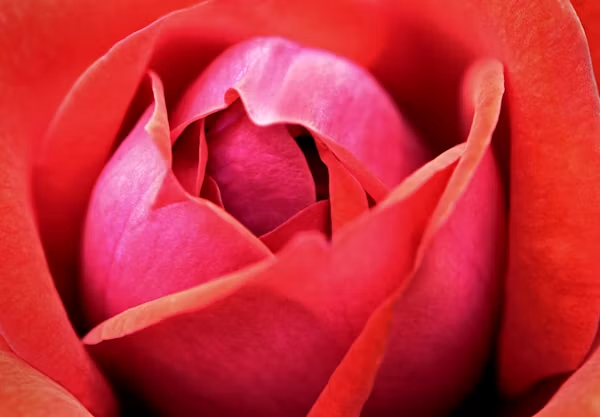
Bloom Morphology: A rose bud develops at the stem tips. As the sepals fold back, layers of delicate, overlapping petals unfold. The central core contains stamens (male) and pistils (female).
Pollination & Hips: Pollinated by bees and butterflies, the flower head fades to reveal the rose hip—the seed-bearing fruit of the plant. Rose hips are rich in Vitamin C and have been harvested for centuries to make tea, jellies, and skin oils.
3. Key Categories and Varieties
Roses are generally classified into three primary groups based on their breeding history and growth habits:
Species (Wild) Roses: Unhybridized native species with simple, 5-petaled flowers. Examples include Rosa rugosa and Rosa canina (Dog Rose). They are exceptionally hardy and produce abundant hips.
Old Garden Roses: Classifications existing prior to 1867. Renowned for their complex, intoxicating fragrances and multi-petaled, cup-like blooms.
Damask Rose: Famous for perfume production and rose water extraction.
Bourbon & Alba Roses: Historic varieties valued for cold hardiness and lush foliage
Modern Garden Roses: Developed after the introduction of the first Hybrid Tea rose ('La France') in 1867. Bred for continuous blooming, disease resistance, and vast color ranges.
Hybrid Teas: Feature large, single blooms on long, sturdy stems—the iconic florist rose.
Floribundas: Produce large clusters of blooms, offering a continuous splash of garden color.
Climbers & Ramblers: Trained along fences, arches, and pergolas to create vertical floral displays.
4. Global Locations and Ideal Conditions
Distribution: Native predominantly to the Northern Hemisphere—spanning temperate regions of Asia, Europe, North America, and Northwest Africa.
Cultivation Needs: Roses thrive in rich, well-draining soil with a neutral to slightly acidic pH (6.0–6.5). They require full sunlight (at least 6 hours daily) to produce robust blooms and prevent fungal foliage diseases like black spot and powdery mildew.
Commercial Centers: Beyond home gardens, major cut-flower production centers are located in countries like Ecuador, Colombia, Kenya, and the Netherlands, where climate conditions allow year-round harvesting.