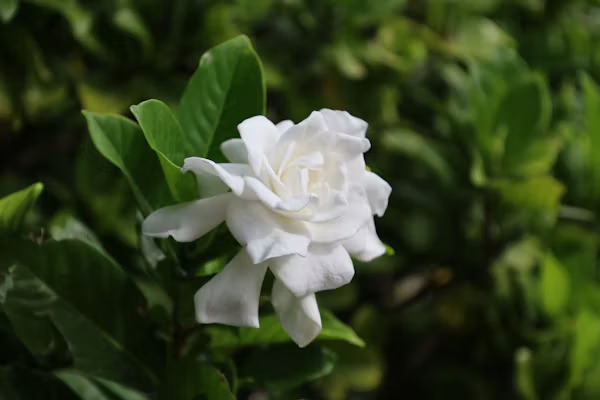
Gardenia
The Gardenia: History, Biology, and Fragrant Elegance
The gardenia (Gardenia jasminoides), widely known as Cape Jasmine or Gandharaj across South Asia, is an evergreen flowering shrub in the coffee family, Rubiaceae. Celebrated for its velvety, ivory-white blossoms, lustrous dark green foliage, and intensely sweet, opulent fragrance, the gardenia holds an iconic place in global perfumery, East Asian art, and warm-climate horticulture.
1. History and Cultural Significance
East Asian Origins: Native to tropical and subtropical regions of southern China, Japan, Taiwan, and Vietnam, gardenias have been cultivated in East Asian gardens for over a thousand years. In traditional Chinese art and Song Dynasty paintings, the flower symbolizes grace, subtle strength, and feminine elegance.
Botanical Naming & Mistaken Origin: In the mid-18th century, English botanist John Ellis named the genus Gardenia in honor of Dr. Alexander Garden, a Scottish-born physician and naturalist living in Charleston, South Carolina. The common name "Cape Jasmine" arose because early European botanists mistakenly believed the specimens brought back from trade ships originated at the Cape of Good Hope in South Africa.
South Asian & Western Traditions: In Bangladesh and eastern India, the flower is prized as Gandharaj ("King of Fragrance"), admired for perfuming monsoon evenings. In Western formal wear, single white gardenias traditionally served as classic boutonnieres and corsages, famously worn as a signature hair ornament by jazz singer Billie Holiday.
2. Botanical Structure & Aromatic Chemistry
Foliage & Shrub Habit: Gardenias grow as dense, woody evergreen shrubs ranging from dwarf 1-foot mounds to 8-foot specimens. Their opposite or whorled leaves are thick, leathery, and dark glossy green, providing year-round visual contrast for the bright white flowers.
Petal Texture & Aging: Wild species bear single, pinwheel-shaped flowers with 5 to 12 waxy petals, whereas popular cultivated varieties feature dense, camellia- or rose-like double blooms. As blossoms age over several days, the pure white petals gradually oxidize to a rich, creamy yellow before shedding.
Scent Profile & Geniposide: The heavy, sweet-spicy fragrance—reminiscent of jasmine, tuberose, and coconut—is produced by volatile esters and lactones, including linalool, benzyl acetate, and jasmine lactone. Additionally, gardenia fruit pods contain geniposide and crocin, natural pigments historically harvested in East Asia to produce vibrant yellow food dyes and traditional herbal remedies.
3. Key Varieties and Cultivars
Horticulturists and commercial nurseries categorize gardenias primarily by bloom form, growth habit, and cold hardiness:
'August Beauty': A vigorous, upright classic cultivar producing an abundance of large, velvety double white blossoms from mid-spring through autumn.
'Veitchii': A compact, prolific variety prized for indoor container cultivation and floral arrangements, blooming heavily during cooler months.
'Frostproof': Bred for enhanced cold tolerance and late-spring budding, preventing late frosts from damaging developing flower buds.
'Radicans' (Creeping Gardenia): A low-growing, spreading groundcover cultivar (6–12 inches tall) with miniature leaves and small, intensely fragrant double flowers.
Tahitian Gardenia (Gardenia taitensis): Known as Tiare, this close relative is the national flower of French Polynesia, featuring star-shaped single blossoms used to craft traditional monoi oil and flower leis.
4. Global Locations and Ideal Conditions
Climatic Requirements: Gardenias thrive in warm, humid subtropical and tropical climates (USDA Zones 8–11). They require full sun to partial afternoon shade—especially in hot climates where intense midday sun can scorch leaves and fade petals.
Acidic Soil & Nutrient Sensitivity: Like camellias and azaleas, gardenias are strictly acid-loving (ericaceous) plants, requiring moist, organic-rich, well-draining soil with a pH between 5.0 and 6.0. Alkaline soil locks up iron and magnesium, rapidly triggering interveinal chlorosis (yellowing leaves with dark green veins).
Humidity & Bud Drop: Consistent soil moisture and moderate-to-high ambient humidity are essential; sudden temperature swings, dry indoor air, or irregular watering frequently cause unopened flower buds to drop prematurely.